

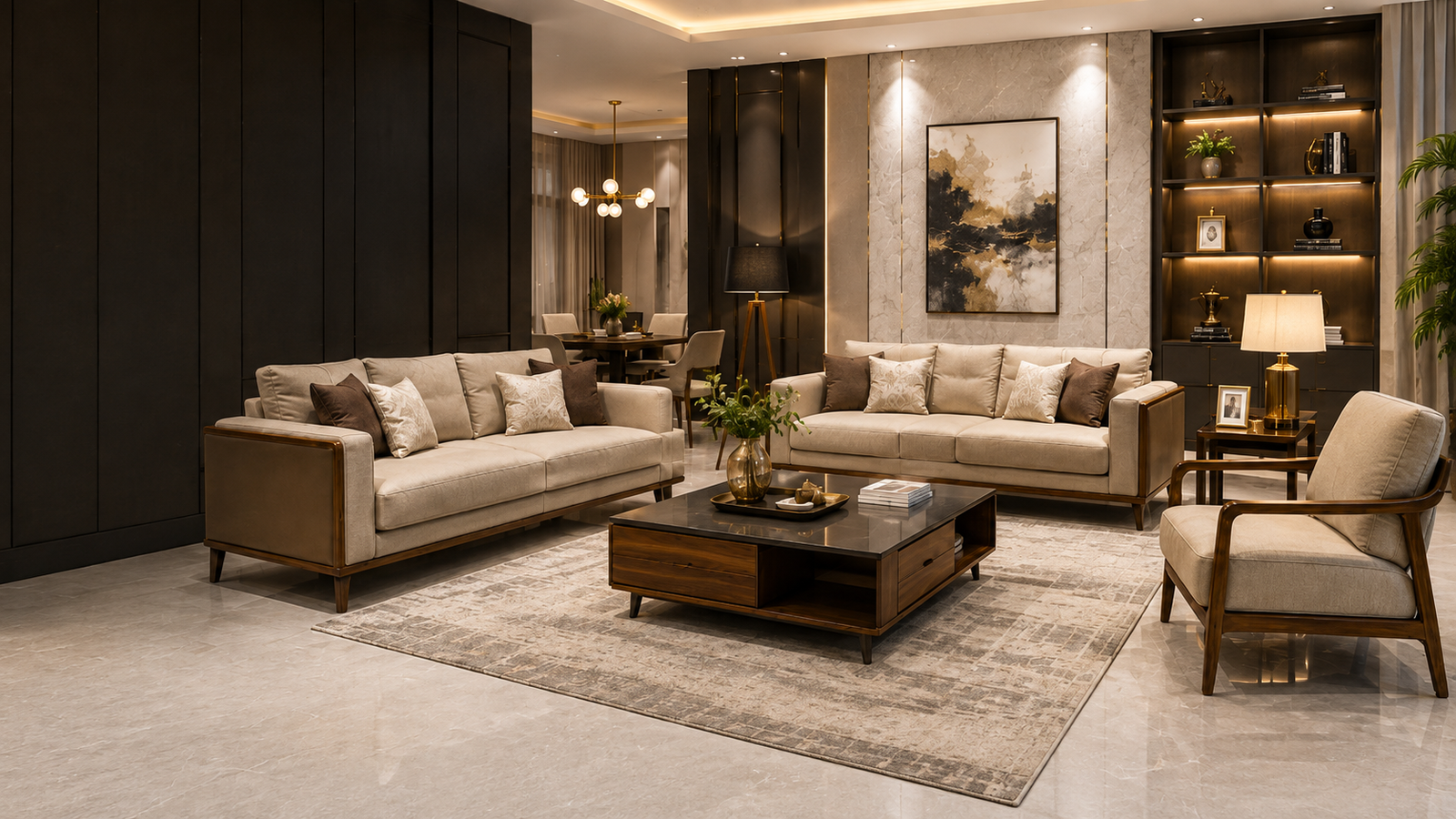
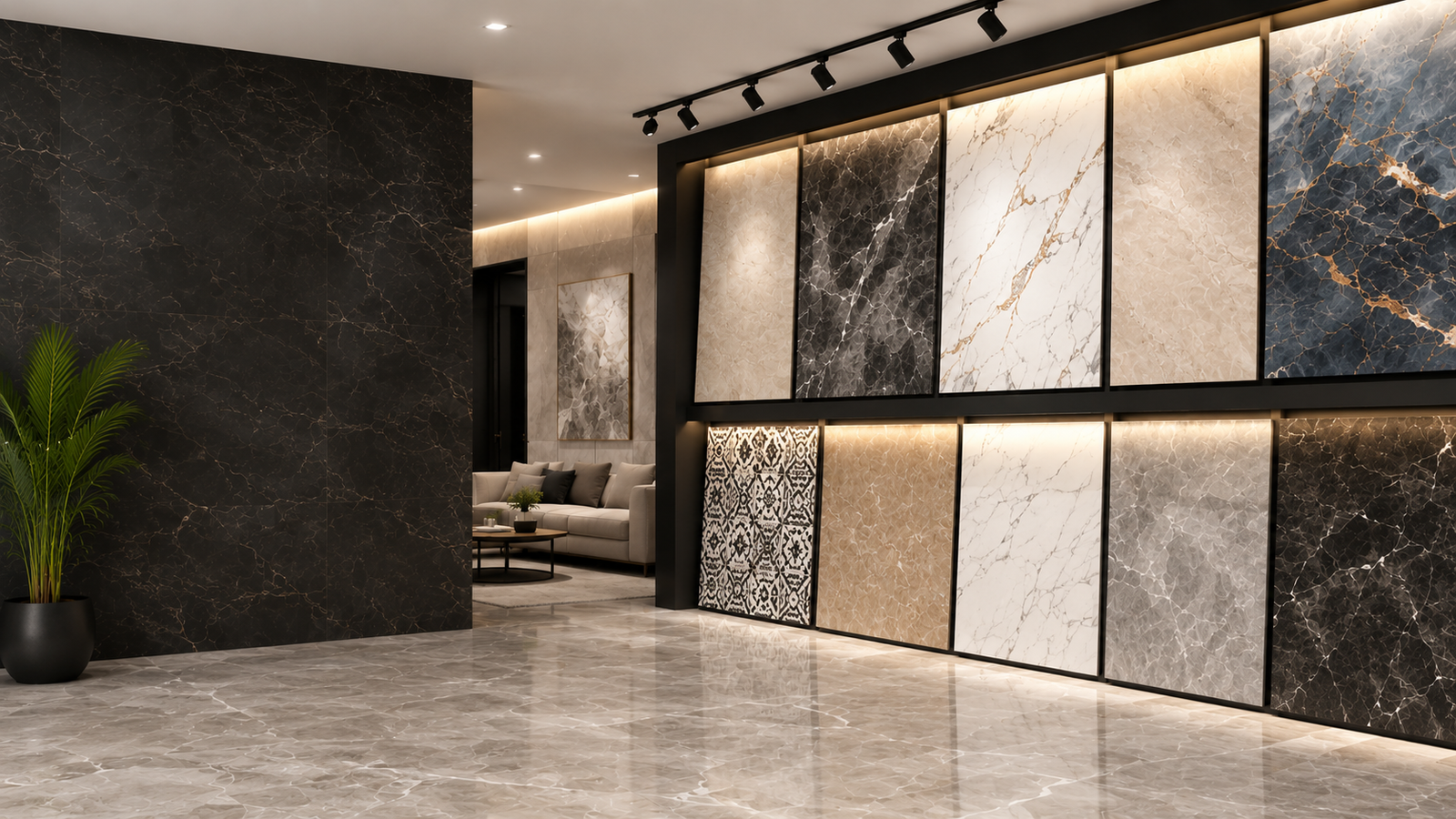
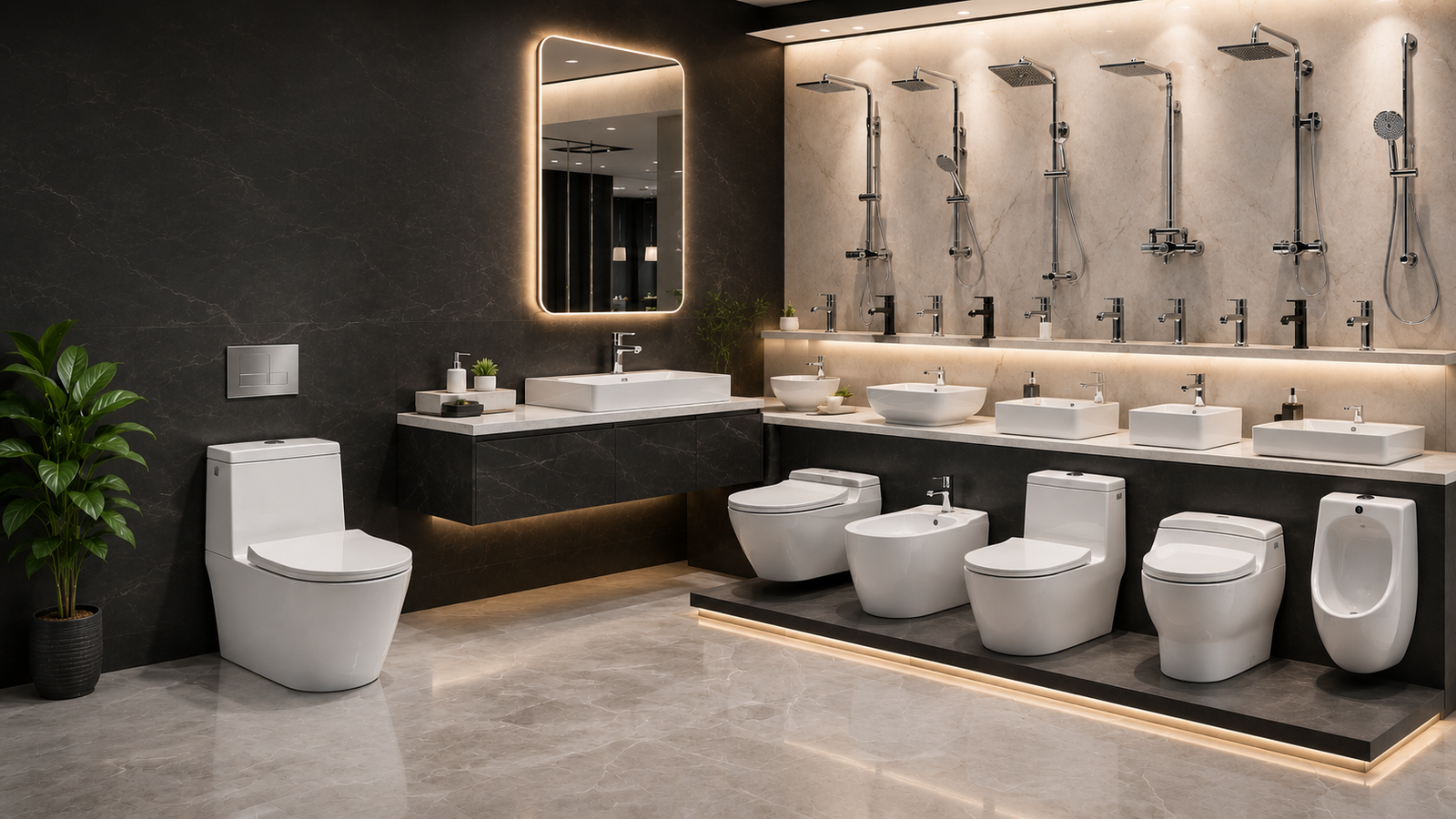
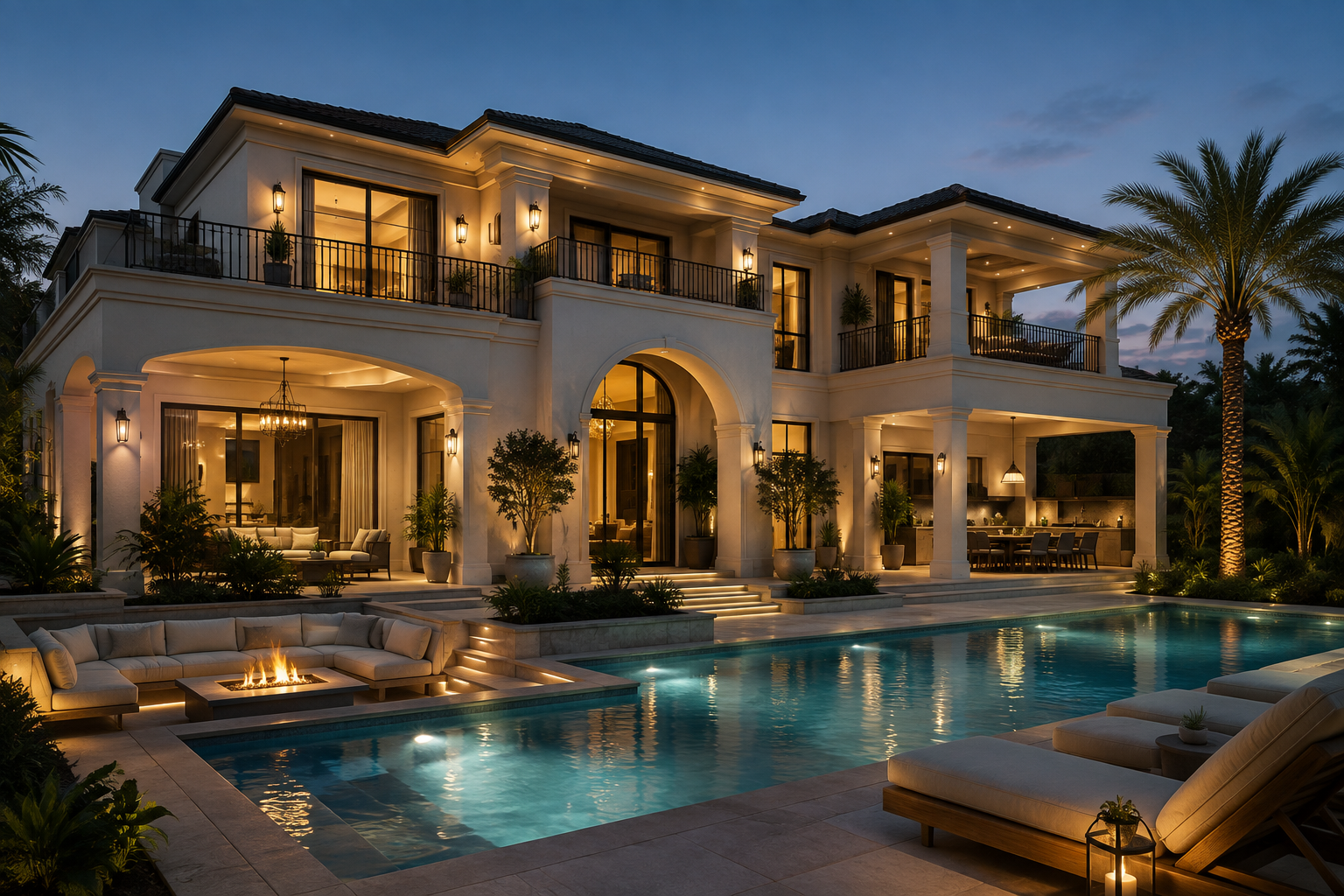
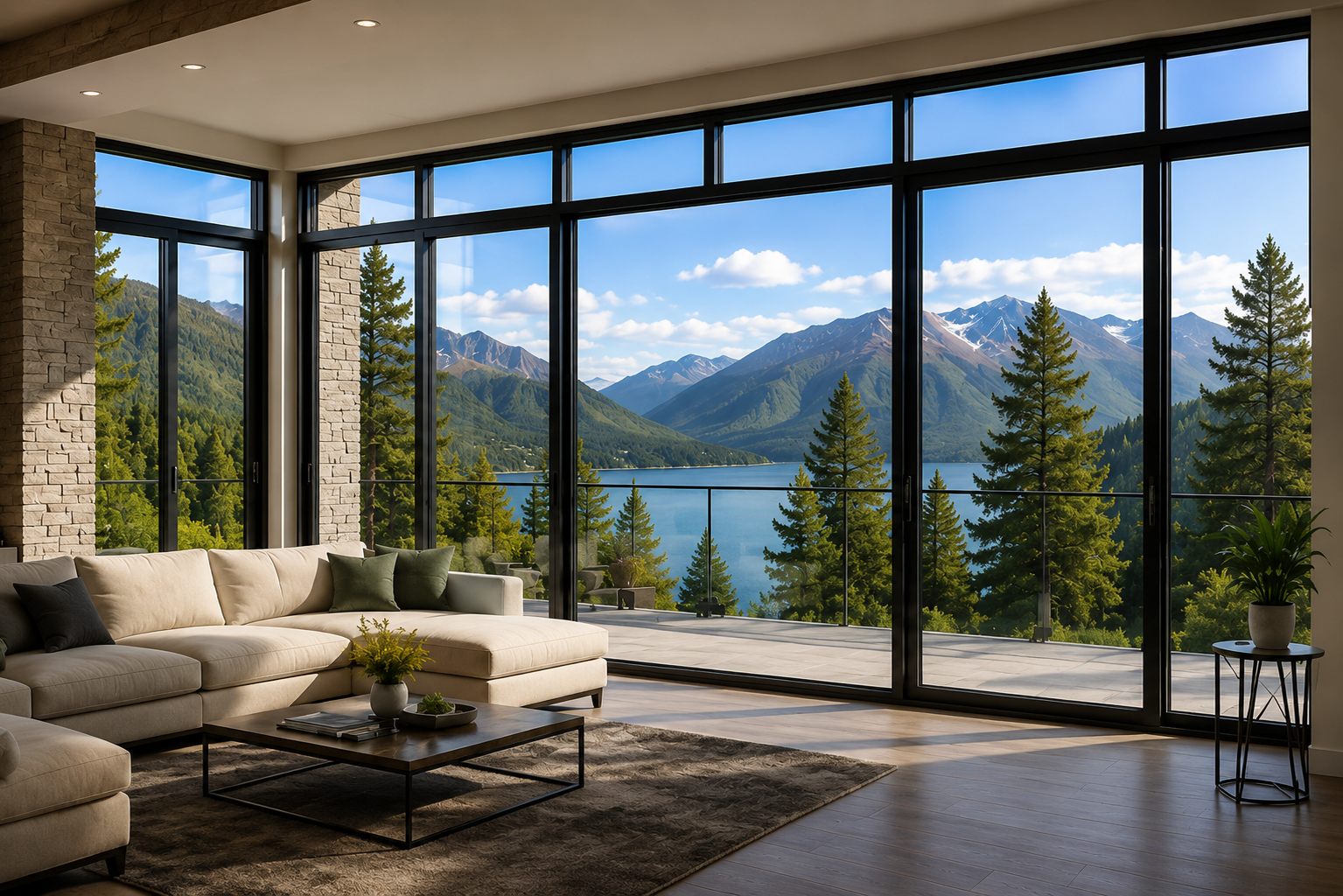
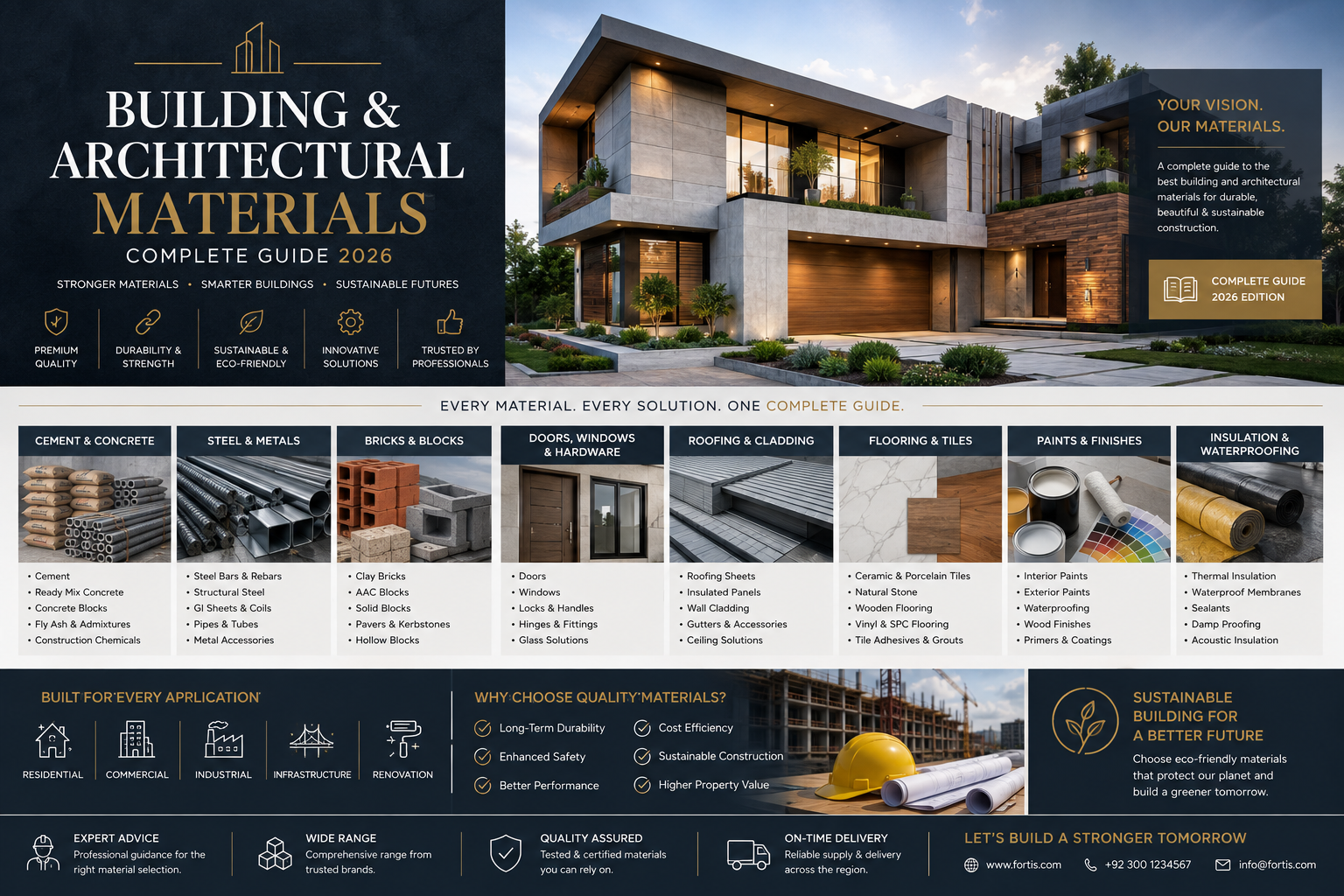
Building & Architectural Materials play a crucial role in creating durable, functional, and visually impressive residential, commercial, and architectural projects. From flooring and wall finishes to doors, windows, stone, sanitary products, lighting, kitchens, and exterior solutions, the right construction materials can significantly influence a property’s appearance, performance, value, and lifespan.
As modern architecture continues to evolve, architects, interior designers, contractors, developers, and homeowners are looking for high-quality building materials that combine aesthetics, durability, sustainability, and cost efficiency. Whether you are constructing a luxury home, renovating a commercial property, or developing a large-scale project, selecting the right architectural materials and construction products is an essential part of achieving the desired result.
What Are Building & Architectural Materials?
Building and architectural materials are products used to construct, finish, decorate, protect, and enhance buildings and architectural spaces. They range from structural construction products to decorative finishes and specialized architectural solutions.
Common categories include:
- Natural and engineered stone
- Marble and granite
- Ceramic and porcelain tiles
- Flooring materials
- Doors and windows
- Wall panels and decorative surfaces
- Kitchen and bathroom materials
- Sanitary ware
- Lighting solutions
- Glass and metal products
- Roofing and exterior materials
- Architectural hardware
- Custom interior products
- Outdoor and landscaping materials
While traditional construction materials focus primarily on structural performance, modern architectural building materials also emphasize design, comfort, energy efficiency, sustainability, and customization.
Why Quality Building Materials Matter
Choosing high-quality construction materials is more than an aesthetic decision. Materials directly affect the performance and long-term value of a building.
1. Durability and Long-Term Performance
Premium building materials are designed to withstand everyday use, weather conditions, moisture, temperature changes, and other environmental factors. Durable materials can reduce maintenance requirements and help extend the lifespan of a property.
For example, selecting high-quality flooring, exterior cladding, doors, windows, and stone can provide better long-term performance than choosing products based solely on their initial price.
2. Better Architectural Design
Architectural materials help transform a basic structure into a visually distinctive space. Modern marble, textured wall panels, premium wood finishes, glass, metal, and decorative surfaces can create sophisticated interiors and exteriors.
The right combination of materials can establish a consistent design language throughout a property.
3. Improved Property Value
High-quality materials can increase the perceived and practical value of residential and commercial properties. Luxury finishes, durable surfaces, modern kitchens, premium bathrooms, and high-end architectural details are particularly important in luxury real estate.
4. Lower Maintenance Costs
Cheap materials may initially reduce construction costs but can require frequent repairs or replacement. Investing in reliable materials can help minimize long-term maintenance expenses.
This makes premium construction materials an important consideration for developers and property owners focused on lifecycle costs rather than only upfront pricing.
Popular Types of Architectural Materials
The architectural materials market offers a wide range of products for different construction and interior design requirements.
Marble, Granite, and Natural Stone
Natural stone remains one of the most popular choices for luxury architecture. Marble and granite are widely used for countertops, flooring, feature walls, staircases, bathrooms, facades, and decorative elements.
Each stone offers a unique texture and natural pattern, making it possible to create highly customized architectural spaces.
Engineered stone and sintered stone are also increasingly popular because they can offer consistent designs, practical performance, and a broad selection of finishes.
Porcelain and Ceramic Tiles
Tiles are essential building materials for residential and commercial projects. Porcelain and ceramic tiles are available in numerous colors, textures, sizes, and patterns.
Large-format tiles and marble-look porcelain have become especially popular in contemporary interiors because they create a clean, spacious appearance with fewer visible joints.
Doors and Windows
Doors and windows contribute to security, insulation, ventilation, natural lighting, and architectural character.
Modern aluminum, uPVC, wood, and glass systems can be selected according to climate, building style, energy requirements, and budget.
For luxury projects, customized doors and oversized glass systems can create a strong connection between indoor and outdoor environments.
Wall Panels and Decorative Surfaces
Decorative wall materials can quickly transform interior spaces. Wood panels, stone panels, fluted panels, acoustic surfaces, textured finishes, and contemporary wall cladding are commonly used in living rooms, hotels, offices, restaurants, bedrooms, and commercial spaces.
These products provide architects and interior designers with additional ways to introduce texture, depth, and visual interest.
Kitchen and Bathroom Materials
Modern kitchens and bathrooms require materials that combine functionality with design.
Popular products include:
- Kitchen cabinets
- Countertops
- Sinks
- Faucets
- Shower systems
- Bathtubs
- Bathroom vanities
- Mirrors
- Sanitary ware
- Backsplashes
- Storage systems
Moisture resistance, durability, ease of cleaning, and installation quality should be considered when selecting these products.
How to Choose the Best Building Materials
Selecting the right materials requires more than comparing prices. A professional approach considers several factors.
Consider the Project Requirements
Start by identifying the property’s purpose, location, architectural style, expected usage, and environmental conditions.
A luxury residence may prioritize aesthetics and customization, while a commercial building may place greater emphasis on durability, maintenance, and lifecycle costs.
Compare Quality and Specifications
Always evaluate technical specifications before purchasing construction materials. Depending on the product, important factors can include:
- Dimensions
- Thickness
- Material composition
- Surface finish
- Water resistance
- Fire performance
- Load capacity
- UV resistance
- Maintenance requirements
- Installation method
- Warranty
Comparing specifications helps buyers avoid selecting materials based only on appearance.
Balance Quality and Cost
The cheapest material is not always the most economical option. Instead, consider the total cost of ownership, including transportation, installation, maintenance, repairs, and replacement.
A higher-quality product may provide better value over its entire lifecycle.
Work With Reliable Building Material Suppliers
A reliable building materials supplier can make the purchasing process considerably easier. Experienced suppliers can help buyers compare manufacturers, product specifications, prices, customization options, quality standards, packaging, and shipping requirements.
For international projects, working with an experienced sourcing partner can also simplify communication between buyers, factories, architects, contractors, and logistics providers.
Sustainable Building & Architectural Materials
Sustainability has become an increasingly important consideration in modern construction. Architects and developers are looking for materials that can support energy efficiency, reduce waste, and improve the environmental performance of buildings.
Sustainable building materials may include responsibly sourced wood, recycled materials, energy-efficient glass, low-emission finishes, durable surfaces, and products designed for longer service life.
The most sustainable choice is not necessarily the product marketed as “green.” Buyers should examine the material’s production process, durability, transportation requirements, maintenance needs, and expected lifespan.
Building Materials for Modern Architecture
Modern architecture often combines minimalist forms with carefully selected materials. Neutral stone, large-format porcelain, glass, metal, wood, concrete finishes, and textured surfaces are frequently used to create contemporary environments.
For luxury architecture, material selection can become a defining feature of the project. A carefully selected combination of marble, premium wood, architectural glass, metal, lighting, and custom surfaces can create an elegant and cohesive environment.
The key is not simply using expensive materials. Good architectural design depends on using the right materials in the right locations and proportions.
Global Sourcing of Building & Architectural Materials
International sourcing gives architects, developers, contractors, and property owners access to a much wider selection of products and manufacturers.
China, Italy, Spain, Turkey, India, and other manufacturing markets are well known for different categories of construction and architectural products. However, international purchasing requires careful supplier verification and quality control.
A professional sourcing process may include:
- Identifying suitable manufacturers
- Comparing product quality and specifications
- Requesting samples
- Negotiating factory pricing
- Checking production facilities
- Inspecting products before shipment
- Confirming packaging standards
- Coordinating export documentation
- Arranging international shipping
- Managing delivery to the project destination
This approach can help international buyers reduce purchasing risks while gaining access to competitive factory pricing.
Future Trends in Building & Architectural Materials
The building materials industry is moving toward greater customization, sustainability, smart technology, and improved performance.
Some important trends include:
Large-format surfaces: Oversized porcelain and stone surfaces are increasingly used to create seamless contemporary interiors.
Natural textures: Wood, stone, travertine-inspired surfaces, and organic textures continue to influence modern interior design.
Smart materials: Technological developments are introducing materials and building products with improved energy efficiency, automation, and functionality.
Sustainable construction: Developers are increasingly evaluating environmental impact alongside cost and appearance.
Customization: Architects and homeowners increasingly want unique dimensions, finishes, colors, patterns, and designs rather than standard products.
Frequently Asked Questions About Building & Architectural Materials
What are the most common building materials?
Common building materials include concrete, steel, brick, wood, glass, stone, ceramic, porcelain, aluminum, and various engineered materials. The best choice depends on the project’s structural, architectural, environmental, and budget requirements.
What are architectural materials?
Architectural materials are products used to create the functional and visual elements of a building. They can include stone, flooring, wall panels, glass, metal, wood, doors, windows, sanitary products, lighting, and decorative surfaces.
How do I choose the best construction materials?
Consider durability, specifications, climate, design requirements, maintenance, installation, supplier reliability, warranty, and total lifecycle cost. Avoid choosing materials based only on their initial purchase price.
Where can I source high-quality building materials?
Building materials can be sourced from local manufacturers, specialized distributors, international suppliers, and professional sourcing companies. For large projects, comparing multiple manufacturers and inspecting products before shipment can help improve purchasing decisions.
Are premium building materials worth the investment?
In many projects, yes. Higher-quality materials can provide better durability, appearance, performance, and long-term value. However, the right material should always be selected according to the project’s specific requirements rather than price alone.
Conclusion
Building & Architectural Materials are fundamental to the success of modern construction and architectural projects. From structural products to luxury interior finishes, every material contributes to the durability, functionality, appearance, and overall value of a property.
Whether you are an architect, contractor, property developer, interior designer, or homeowner, making informed material decisions can help you achieve better results while controlling long-term costs.
The best approach is to evaluate quality, specifications, design, durability, sustainability, supplier reliability, and total project cost together. With the right products and a dependable sourcing process, building materials can transform an architectural concept into a high-quality, functional, and visually impressive finished space.