
Choosing the right tiles and flooring can completely transform the appearance, comfort, durability, and value of a home. From elegant porcelain tiles and natural stone flooring to modern vinyl and wood-look floors, homeowners today have more flooring options than ever before.
The best flooring depends on several factors, including the room, budget, design style, maintenance requirements, moisture exposure, and expected foot traffic. Whether you are renovating a luxury home, designing a modern apartment, or building a commercial property, selecting the right floor tiles and flooring materials is an important long-term investment.
In this complete guide, we explore the best tiles and flooring options, their benefits, how to choose the right material, current flooring trends, maintenance tips, and answers to common questions.
What Are Tiles & Flooring?
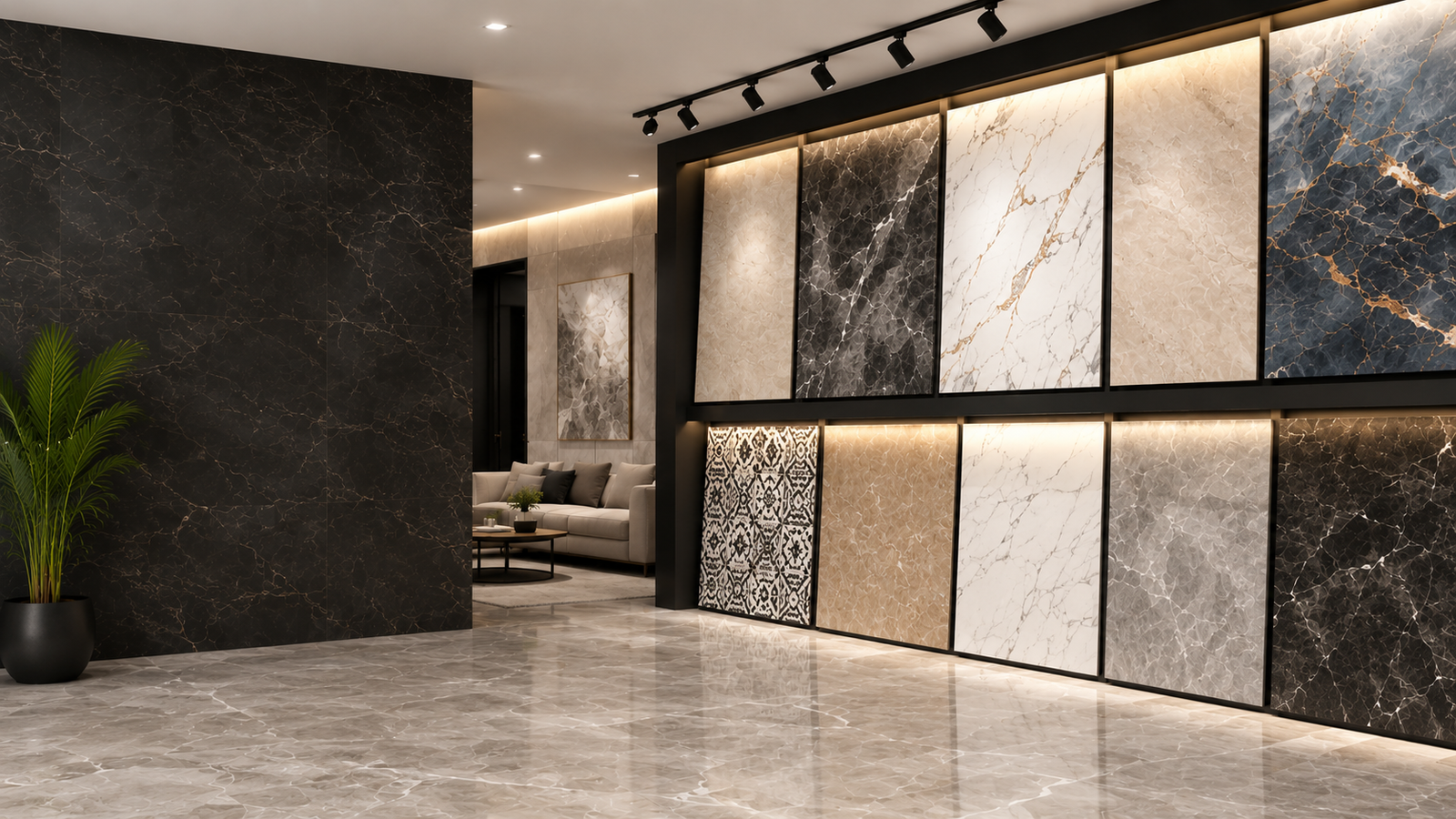
Tiles and flooring refer to the materials used to cover floors and, in many cases, walls throughout residential and commercial properties. Popular choices include ceramic tiles, porcelain tiles, marble, granite, natural stone, vinyl flooring, laminate flooring, hardwood flooring, and luxury vinyl tiles.
Flooring does more than provide a surface to walk on. The right flooring can improve interior design, increase durability, create a comfortable living environment, and enhance the overall value of a property.
For modern homes, homeowners increasingly look for flooring that combines style, durability, easy maintenance, and affordability.
Best Types of Tiles & Flooring
There are many types of flooring materials available today. Understanding their characteristics makes it easier to select the best option for each space.
1. Porcelain Tiles
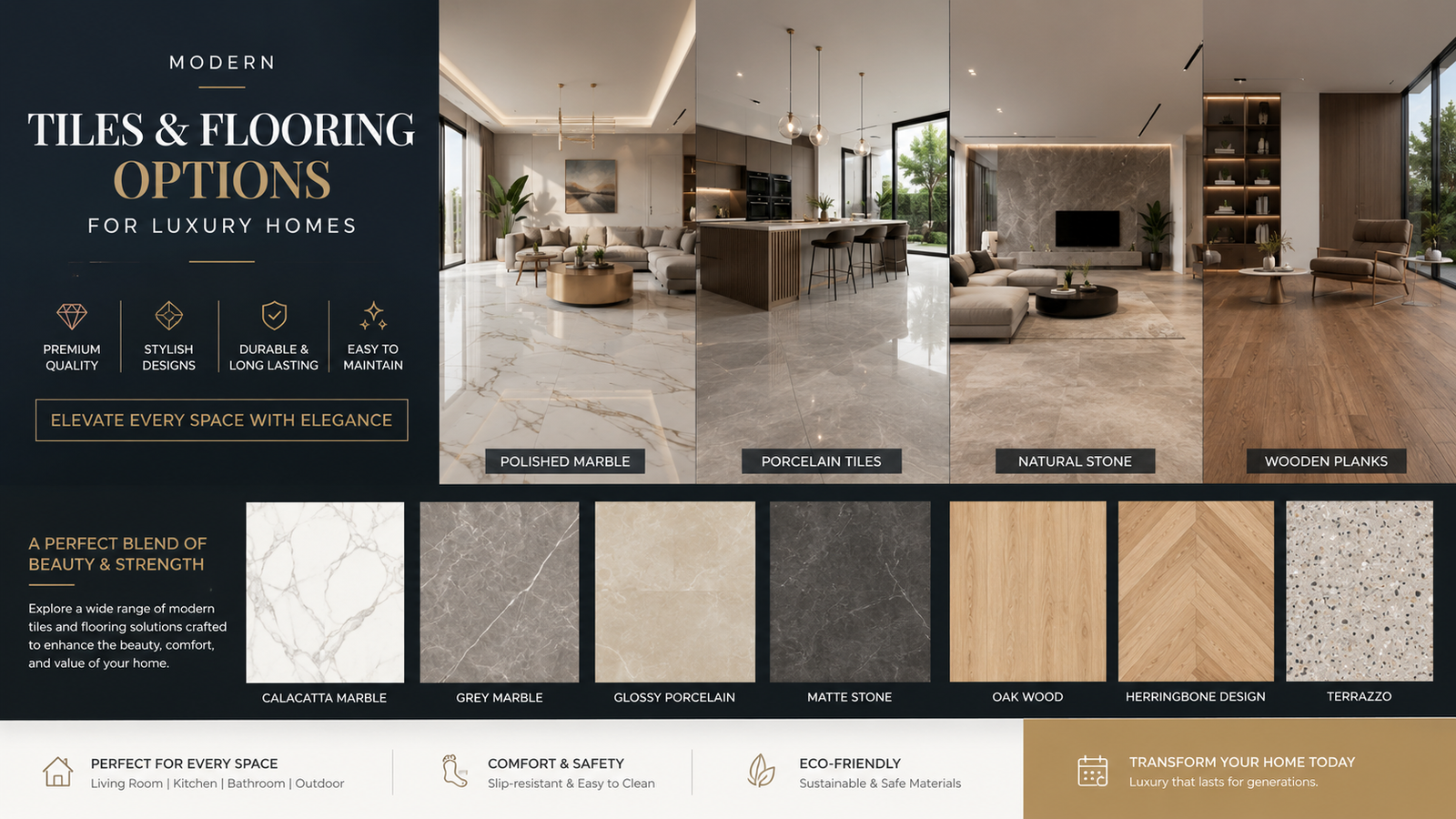
Porcelain tiles are among the most popular choices for modern residential and commercial interiors. They are dense, durable, water-resistant, and available in a wide range of colors, textures, and patterns.
Porcelain tiles can replicate the appearance of natural stone, marble, wood, and concrete while generally requiring less maintenance.
They are particularly suitable for:
- Living rooms
- Kitchens
- Bathrooms
- Hallways
- Commercial spaces
- Outdoor areas
For homeowners looking for durable floor tiles, porcelain is an excellent option.
2. Ceramic Tiles
Ceramic tiles are another popular flooring solution. They are made from clay and other natural materials and are available in countless designs.
Ceramic floor tiles are especially popular because they offer a combination of affordability, versatility, and easy maintenance. They work well in kitchens, bathrooms, bedrooms, and living spaces.
If you are searching for affordable flooring ideas, ceramic tiles can provide an attractive solution without requiring a premium budget.
3. Marble Flooring
For luxury interiors, marble flooring remains one of the most recognizable choices. Natural marble offers unique veining and patterns, meaning every installation can have a distinctive appearance.
White marble, especially, can make interiors appear brighter, larger, and more luxurious.
Marble is commonly used in:
- Luxury homes
- Hotel lobbies
- Entryways
- Living rooms
- Luxury bathrooms
- High-end commercial properties
However, natural marble generally requires more care than porcelain or ceramic tiles and may need periodic sealing.
4. Natural Stone Flooring
Natural stone flooring includes materials such as granite, limestone, travertine, and slate. These materials can create a sophisticated and timeless appearance.
Because natural stone is formed naturally, each piece can have different colors, textures, and patterns.
Natural stone is ideal for homeowners who want luxury flooring materials with an authentic and distinctive appearance.
5. Vinyl Flooring
Vinyl flooring has become increasingly popular because it is practical, comfortable, and available in numerous designs.
Modern vinyl flooring can imitate the appearance of wood, stone, and ceramic tiles. It is also relatively easy to clean and can be a practical choice for busy households.
Luxury Vinyl Tile, commonly called LVT, is particularly popular for modern residential and commercial projects.
6. Laminate Flooring
Laminate flooring is designed to provide the visual appearance of materials such as hardwood while offering a more budget-friendly alternative.
Modern laminate flooring comes in many colors, textures, and wood patterns. It can be a good choice for bedrooms, living rooms, offices, and other areas where excessive moisture is not a major concern.
How to Choose the Best Flooring for Your Home
Selecting the right flooring should not be based only on appearance. Consider the following factors before purchasing.
Consider the Room
Different rooms have different flooring requirements.
For bathrooms and kitchens, choose materials that can handle moisture, such as porcelain or ceramic tiles. For living rooms and bedrooms, homeowners may prefer wood-look flooring, laminate, vinyl, or premium tiles.
Outdoor areas require flooring specifically designed to withstand weather conditions and provide appropriate slip resistance.
Consider Durability
High-traffic areas need durable flooring that can withstand frequent use.
Porcelain, granite, and other hard flooring materials are excellent choices for busy areas. When selecting tiles, pay attention to durability ratings and choose a product appropriate for the intended application.
Consider Maintenance
Some flooring materials require significantly more maintenance than others.
Porcelain and ceramic tiles are generally easy to clean, while natural stone may require sealing and specialized care. Vinyl flooring is also popular for homeowners who prioritize easy maintenance.
Choosing low-maintenance flooring can save considerable time over the life of the floor.
Consider Your Interior Design
Flooring should complement the overall interior design.
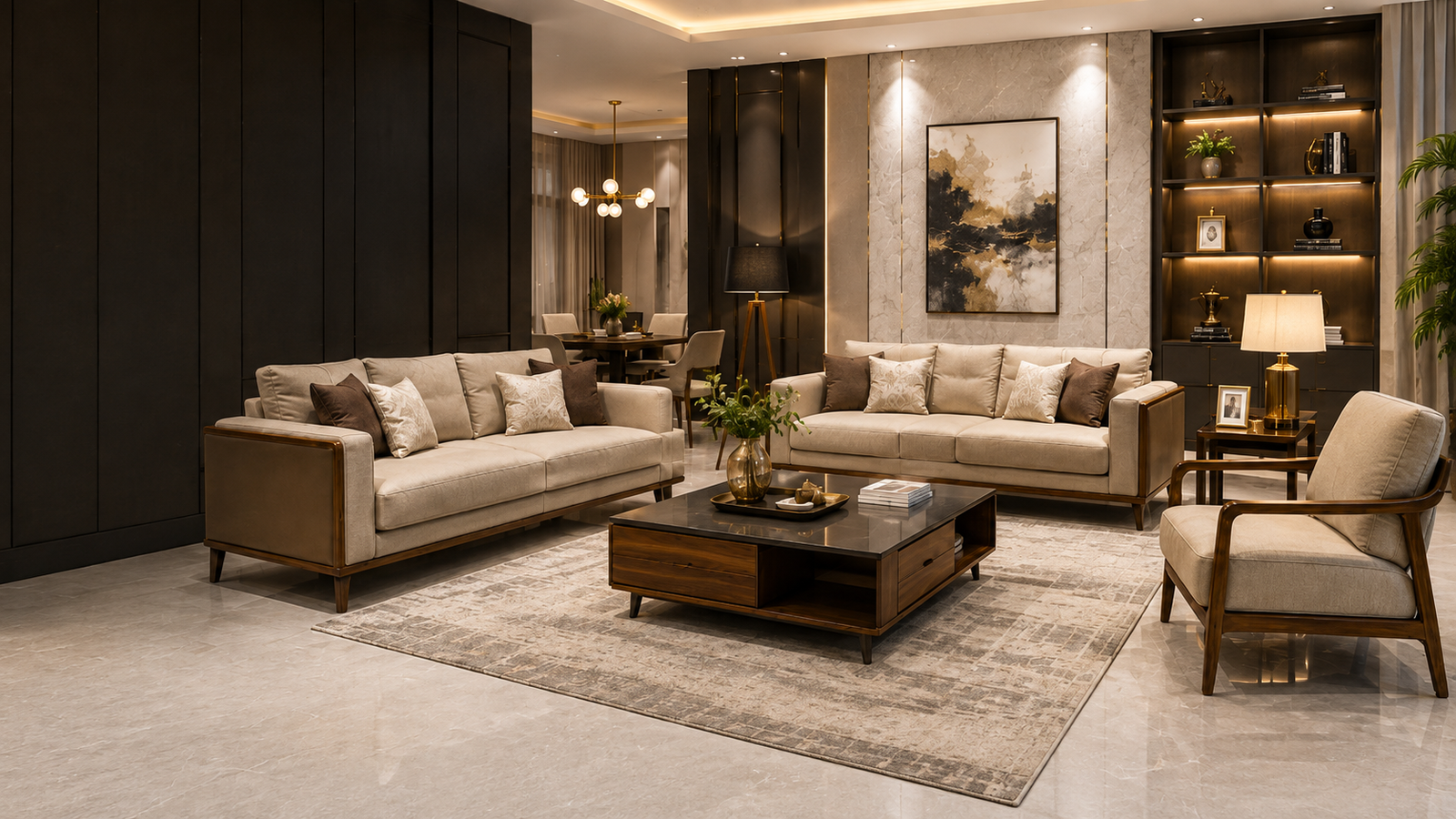
For minimalist interiors, large-format tiles in neutral colors can create a clean and spacious appearance. Wood-look tiles can add warmth, while marble patterns can create a luxury aesthetic.
Think about your walls, furniture, cabinets, lighting, and architectural style before selecting a flooring color and pattern.
Consider Your Budget
The total flooring cost includes more than the price of the material. Installation, adhesive, underlayment, transportation, preparation, grout, sealing, and maintenance can all affect the final budget.
Instead of choosing flooring based solely on the lowest price, consider the long-term value of the flooring.
A durable material that lasts for many years can be a better investment than a cheaper option that needs frequent replacement.
Popular Flooring Trends for Modern Homes
Flooring design continues to evolve as homeowners seek more sophisticated and practical interiors.
Large-Format Tiles
Large-format floor tiles are increasingly popular in contemporary homes. Larger tiles create fewer grout lines, producing a cleaner and more seamless appearance.
They work particularly well in open-plan living areas and luxury interiors.
Marble-Look Porcelain Tiles
Marble-look porcelain tiles combine the appearance of natural marble with the practical benefits of porcelain.
They are available in designs inspired by popular marble varieties and can create an upscale appearance at a potentially lower maintenance requirement than natural marble.
Wood-Look Tiles
Wood-look porcelain and ceramic tiles provide the warmth and appearance of hardwood while offering the durability and moisture resistance associated with tile.
They are an excellent option for homeowners who want modern wood-look flooring without using natural wood throughout the property.
Neutral Flooring Colors
Neutral shades such as beige, cream, white, gray, and warm earth tones continue to work well in contemporary interiors.
Neutral flooring can provide a versatile foundation that works with different furniture styles and colors.
Textured and Natural Finishes
Flooring with realistic textures and natural-looking finishes is also increasingly popular. These surfaces can add visual depth and create a more sophisticated interior.
Tiles vs. Other Flooring Options
One of the most common questions homeowners ask is whether tiles are better than other flooring materials.
Tiles are particularly strong in areas where durability, moisture resistance, and easy cleaning are important. However, other flooring materials may provide advantages in comfort, warmth, or installation.
For example, hardwood can provide natural warmth and character, while vinyl can offer comfort and practicality. Laminate can provide a wood-inspired appearance at a more accessible price point.
The best choice ultimately depends on the room and your specific requirements.
How to Maintain Tiles & Flooring
Proper maintenance can significantly extend the life and appearance of your flooring.
Sweep or vacuum floors regularly to remove dirt and abrasive particles. Clean spills quickly, particularly on materials that may stain.
For tile floors, use an appropriate tile cleaner and avoid harsh chemicals unless recommended by the manufacturer.
Natural stone flooring may require periodic sealing to protect the surface from stains and moisture.
For laminate and wood-based flooring, avoid excessive water and follow the manufacturer’s cleaning recommendations.
Regular maintenance is one of the simplest ways to protect your flooring investment.
Common Flooring Mistakes to Avoid
Choosing flooring based entirely on appearance can lead to problems later. Before purchasing, consider the intended use, moisture exposure, traffic levels, maintenance requirements, and installation conditions.
Another common mistake is ordering exactly the calculated amount of material without allowing for cutting and replacement pieces. It is generally wise to discuss the required quantity and recommended waste allowance with your flooring professional.
Poor installation can also reduce the lifespan of even high-quality flooring. Proper surface preparation, leveling, adhesive selection, grout installation, and expansion requirements are all important.
Frequently Asked Questions About Tiles & Flooring
What is the best flooring for a home?
The best flooring depends on the room and your requirements. Porcelain tiles are excellent for durability and moisture resistance, while vinyl, laminate, hardwood, ceramic, and natural stone can each be suitable for different applications.
Which tiles are best for flooring?
Porcelain tiles are widely considered an excellent choice for flooring because they are durable, water-resistant, versatile, and available in many designs. Ceramic tiles can also be a practical option, particularly for residential interiors.
Are porcelain tiles better than ceramic tiles?
Porcelain tiles are generally denser and more water-resistant than standard ceramic tiles. However, ceramic tiles can be more affordable and are suitable for many indoor applications. The right choice depends on where the tiles will be installed.
What is the most durable flooring material?
Porcelain, natural stone, and certain high-quality flooring products can provide excellent durability. However, durability depends not only on the material but also on installation quality, maintenance, and the amount of traffic.
What flooring is easiest to maintain?
Porcelain and ceramic tiles are generally easy to maintain. Vinyl flooring is also popular because it is practical, easy to clean, and available in a wide variety of styles.
Are large tiles better for small rooms?
Large tiles can make a small room appear more spacious because they create fewer grout lines. However, the tile size should also be appropriate for the room dimensions and installation layout.
Final Thoughts
The right tiles and flooring can dramatically improve the beauty, functionality, and long-term value of a property. From durable porcelain and versatile ceramic tiles to luxurious marble, natural stone, vinyl, laminate, and wood-look flooring, there is an option for almost every design preference and budget.
When choosing flooring, focus on more than appearance. Consider durability, moisture resistance, maintenance, installation, room usage, design, and total cost.
For luxury interiors, marble and premium porcelain can create an elegant finish. For practical family homes, ceramic, porcelain, or vinyl flooring can provide an excellent combination of durability and easy maintenance. For warm and natural aesthetics, wood-look tiles and other wood-inspired flooring options can create a sophisticated result.
Ultimately, the best flooring is the one that matches your lifestyle, design goals, and property’s specific requirements. With careful planning and professional installation, quality tiles and flooring can provide a beautiful surface that remains attractive and functional for years to come.